
Mastering Horse Racing Betting Insights and Strategies

Mastering Horse Racing Betting: Insights and Strategies
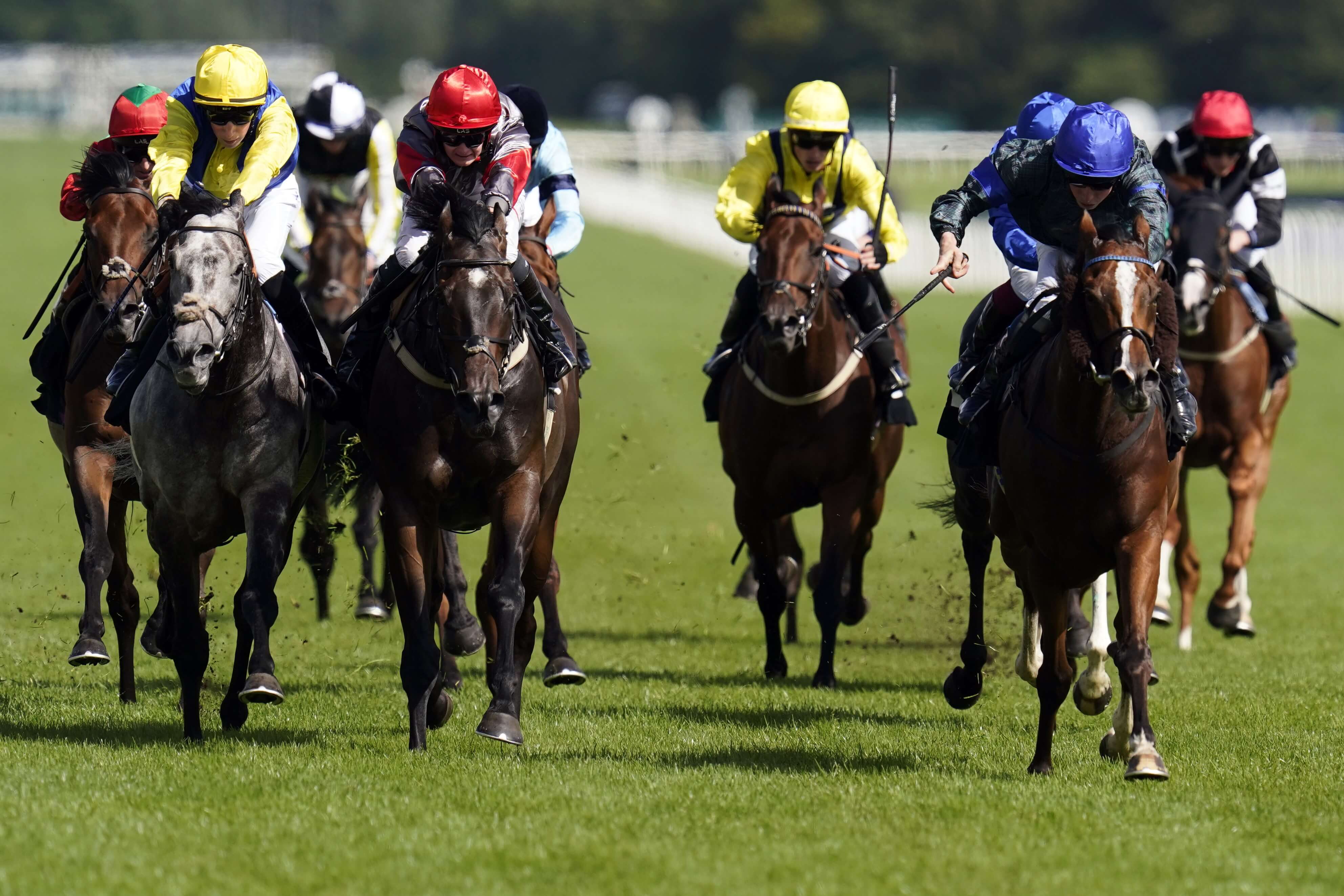
Horse racing has captivated audiences around the world for centuries. With its rich history, thrilling races, and exhilarating atmosphere, it has become a significant sporting event. One of the most exciting aspects is the Horse Racing Betting for the Grand National horse racing betting for the Grand National, which brings together enthusiasts eager to test their luck and skills. Whether you’re a seasoned gambler or new to the track, understanding the essentials of horse racing betting can heighten your enjoyment and increase your winning potential. This article will guide you through the basics, various betting types, tips for success, and more.
The Basics of Horse Racing Betting
Before diving into the intricacies of horse racing betting, it’s crucial to understand the fundamental concepts. At its core, betting on horse racing involves predicting which horse will finish in a particular position, usually first, second, or third. Various betting options exist, allowing bettors to tailor their wagers based on risk and potential return.
Types of Bets
Here are some common types of bets you can place in horse racing:
- Win Bet: This is the simplest form of betting, where you wager on a horse to win the race.
- Place Bet: With a place bet, you bet on a horse to finish in one of the top positions, typically the first, second, or third.
- Show Bet: A show bet allows you to win if your horse finishes in the top three.
- Exacta: This bet requires you to predict the first and second-place finishers in the exact order.
- Trifecta: In this bet, you select the first, second, and third-place finishers in the exact order.
- Superfecta: A step up from the trifecta, this requires you to predict the top four finishers in the precise order.
Understanding Odds
Odds play a critical role in horse racing betting, representing the likelihood of a horse winning its race, as well as determining the potential payout. Odds are displayed in various formats, including fractional (e.g., 5/1), decimal (e.g., 6.0), and moneyline (e.g., +500). Understanding how to read and interpret odds is essential for maximizing your betting strategy.
Odds Types Explained
Here is a brief explanation of how each odds format works:
- Fractional Odds: The first number indicates the profit you would make on a stake represented by the second number. For example, odds of 5/1 mean if you bet $1, you win $5 plus your stake back.
- Decimal Odds: This format displays the total payout including the original stake. For instance, if the odds are 6.0, a $1 bet would yield $6 total ($5 profit plus your initial stake).
- Moneyline Odds: Positive odds denote how much profit you would make on a $100 bet. For example, +500 means a $100 bet would win you $500. Negative odds indicate how much you must bet to win $100; for example, -200 means you need to bet $200 to make a $100 profit.
Tips for Successful Betting
Improving your betting strategy can significantly enhance your overall experience. Here are some valuable tips for successful horse racing betting:

- Research the Horses: Knowledge is power. Investigate the horses in a race, including their past performances, trainer statistics, jockey records, and track conditions. This information can provide insights into which horses are more likely to perform well.
- Consider Track Conditions: Factors such as weather, the type of surface (dirt, turf), and the horse’s running style can affect race outcomes. Understanding how horses perform under different conditions can give you an edge.
- Watch for Last-Minute Changes: Pay attention to changes in odds, scratchings, or last-minute injuries. These factors can affect a horse’s chances and provide opportunities for smart betting.
- Manage Your Bankroll: Set a budget for your betting activities and stick to it. Avoid chasing losses and bet only what you can afford to lose. A structured approach helps prevent emotional decisions.
- Diversify Your Bets: Instead of placing all bets on one horse, spread your wagers across multiple options. This diversification can increase your chances of winning while mitigating risks.
The Role of Analytics in Betting
In recent years, analytics has become an increasingly vital part of horse racing betting. Sophisticated software and data analysis tools are now available to bettors, providing insights that were previously difficult to obtain. Utilizing analytics allows bettors to analyze historical performance, evaluate jockey-horse combinations, and assess track conditions more effectively.
Using Data Effectively
When using data analytics, consider focusing on:
- Speed Ratings: These ratings provide insights into the fastest times a horse has recorded in prior races.
- Form Evaluations: Analyzing recent performances helps gauge the current capabilities of a horse and its competitiveness.
- Head-to-Head Stats: Historical outcomes between specific horses can reveal patterns and hidden insights.
Conclusion
Betting on horse racing offers a thrilling way to engage with one of the oldest sporting events. By understanding the fundamentals, types of bets, and strategies for success, you can enhance your experience and potentially improve your odds of winning. Whether you’re placing bets for the Grand National or any other race, the combination of research, careful analysis, and prudent decision-making can set you on a path to enjoyable and hopefully profitable horse racing betting.